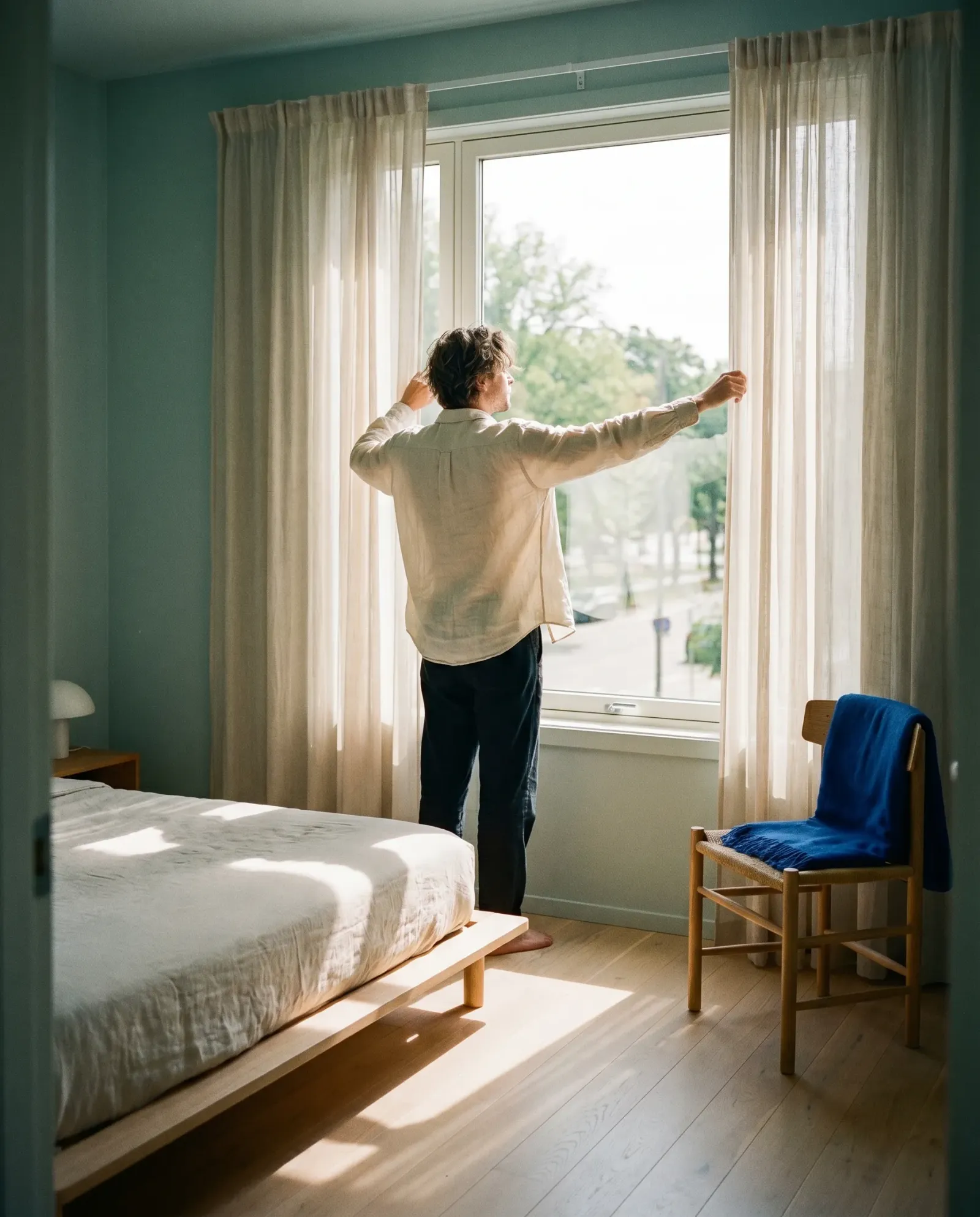
People use ritual and routine interchangeably, but the gap between them explains a lot about why some habits last and others quietly die. A routine is a sequence of actions you perform. A ritual is a routine that carries meaning, an action you do not just complete but value. That difference sounds soft. It is actually the difference between a behaviour you have to force and one that pulls you toward it.
What separates the two
A routine is functional. You brush your teeth, answer email, go through the motions of a morning. There is nothing wrong with routines, but they live on willpower and convenience, and they break the moment a day gets chaotic. A ritual adds something a routine lacks: attention, intention and a small sense of significance. Lighting a candle before dinner, a specific cup of tea while you read, a deliberate pause before deep work. The action might be identical to a routine. The relationship to it is not.
Why meaning makes habits stick
Behavioural research describes habits as a loop of cue, action and reward, and the reward is what tells the brain to keep the loop. A pure routine often has a weak reward, you do it because you should. A ritual builds a real, felt reward into the action itself: the pleasure, the calm, the small sense of marking a moment. That intrinsic reward is far stickier than obligation. You do not need to discipline yourself into something you genuinely enjoy and that means something to you.
A routine is something you do. A ritual is something that means something. Routines run on willpower and break under chaos. Rituals carry an intrinsic reward, attention, pleasure, significance, so they pull you in rather than needing to be forced. Turn a habit you keep skipping into a ritual and it stops being a chore.
How to turn a routine into a ritual
The conversion is mostly about attention and framing. Slow it down and do the action with deliberate care rather than on autopilot. Add a sensory anchor, a specific place, a particular cup, a consistent moment, so the senses mark it as distinct. Attach it to meaning, treat the morning drink not as caffeine delivery but as the moment you claim the day before it claims you. Protect it, give the ritual a fixed slot rather than fitting it into the cracks. None of this takes more time. It takes more presence.
Why a drink makes an ideal ritual
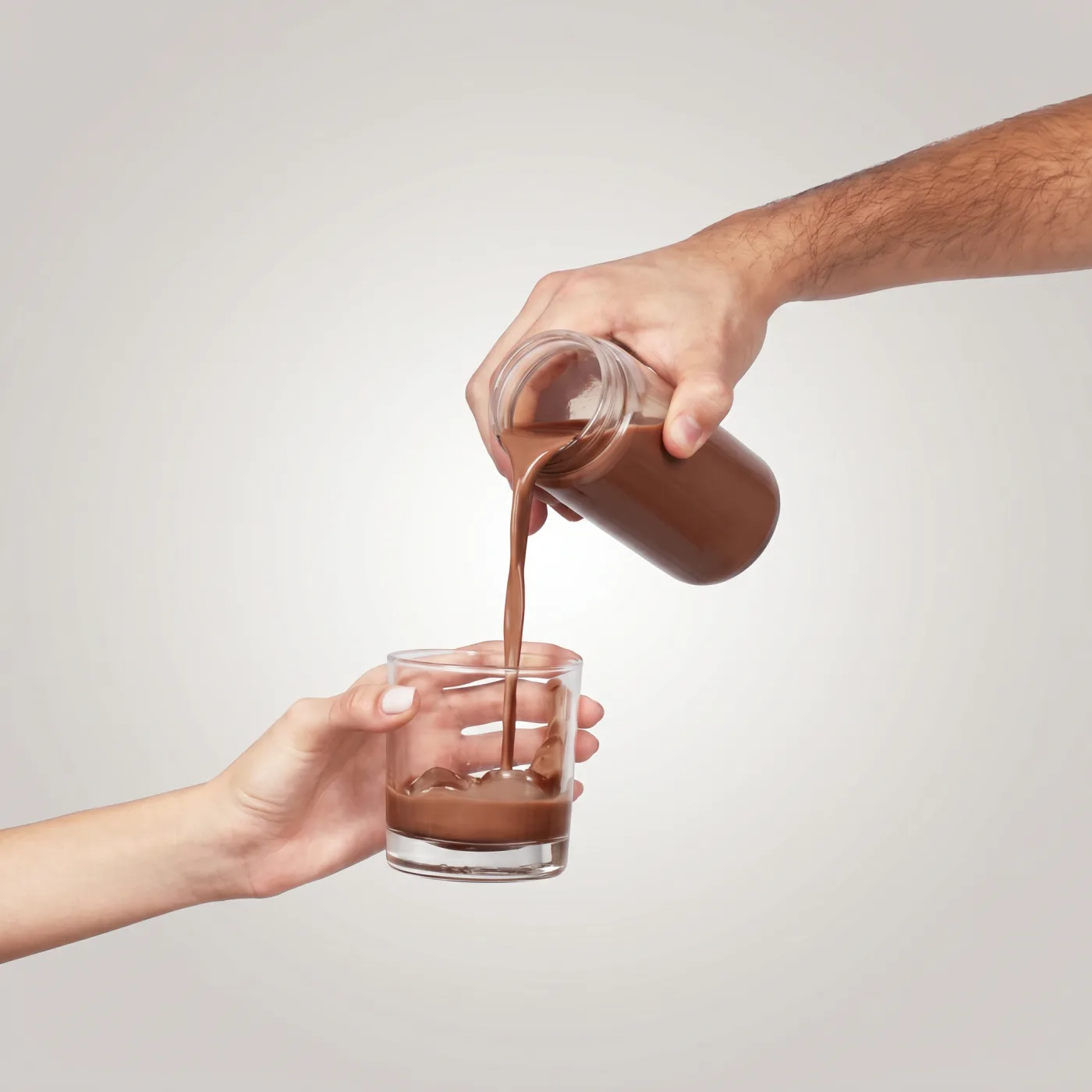
Beverages have been ritual anchors for as long as there have been cultures, and for good reason. A drink is sensory, warm, repeatable and pleasant, and it occupies a natural pause in the day. That combination makes it one of the easiest behaviours to invest with meaning. It is why coffee culture is built on ritual as much as caffeine, and why the right replacement can keep all the meaning while dropping the downside.
The Daylight ritual
This is exactly how we think about Thunder Honey Daylight. It is built to be a ritual, not a task: a warm cacao drink, no-added-caffeine, that tastes like a homemade hot chocolate and carries 11 actives for steady energy. The point is not to add another item to your routine. It is to give you one small, genuinely pleasant ritual, a deliberate, satisfying pause, that you actually look forward to and therefore actually keep.
The reason habits slip is usually that they were routines, not rituals. Add meaning, attention and a real sensory reward, and a behaviour stops needing willpower. A warm daily drink is one of the easiest things to ritualise, which is precisely why it becomes one of the easiest things to keep.
References
- Norton, M. I., & Gino, F. (2014). Rituals alleviate grieving and other forms of loss. Journal of Experimental Psychology: General, 143(1), 266-272.
- Vohs, K. D., et al. (2013). Rituals enhance consumption. Psychological Science, 24(9), 1714-1721.
- Wood, W., & Neal, D. T. (2007). A new look at habits and the habit-goal interface. Psychological Review, 114(4), 843-863.
This article is for educational purposes and is not medical advice. Daylight is a food supplement. If you take prescription medication or are pregnant or breastfeeding, talk to your doctor before starting.