Here is a thought experiment. Imagine a drug that improved focus and memory, lifted mood, reduced anxiety, sharpened decision-making, and protected the brain against age-related decline, with side effects that were all positive. It would be the most famous compound in the world. That drug exists. It is exercise, and almost everyone underuses it because it does not come in a bottle and it asks something of you. For the brain, nothing else comes close.
What movement does to the brain
Exercise is not just good for the body that happens to carry your brain around. It acts on the brain directly. Physical activity increases blood flow, delivering more oxygen and fuel to neural tissue. It triggers the release of BDNF, brain-derived neurotrophic factor, a protein that supports the growth and survival of neurons and is sometimes called fertiliser for the brain. And it modulates the same neurotransmitter systems, dopamine, serotonin, noradrenaline, that focus and mood depend on. In effect, a single session tunes the chemistry that determines how sharp and steady you feel.
The size of the effect
What surprises people is the magnitude. A single bout of moderate exercise reliably improves attention and processing speed for a window afterward, an acute focus boost you can feel the same day. Over the longer term, regular activity is associated with better executive function, improved mood, lower anxiety, and meaningfully reduced risk of cognitive decline with age. Few interventions touch so many outcomes at once, and fewer still are free.
Exercise raises brain blood flow, releases BDNF (brain fertiliser) and tunes focus-and-mood neurotransmitters. A single session sharpens attention for hours; regular activity improves mood and protects the ageing brain. The dose is smaller than people think, and consistency beats intensity. It is the highest-leverage focus tool there is.
The dose is smaller than you think
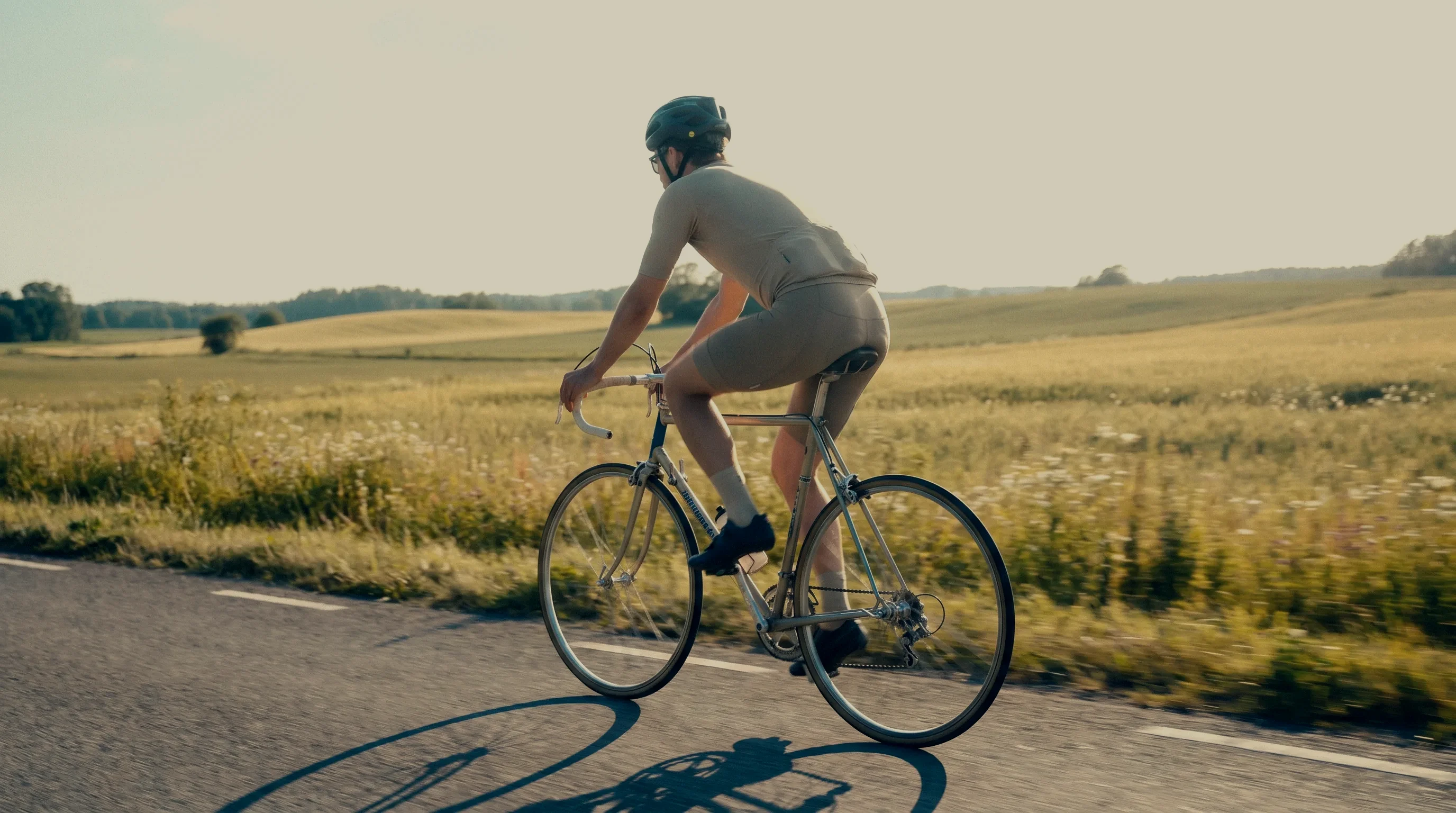
The intimidating image of exercise, hours in a gym, is a barrier and a myth. The cognitive and mood benefits start at modest doses. Brisk walking counts. A short session most days delivers most of the return, and the acute focus boost can follow even ten to twenty minutes of moderate movement. As with most good habits, consistency matters far more than intensity. A walk you actually take beats a workout you keep postponing.
Movement and the rest of the stack
Exercise also reinforces everything else. It improves sleep, which is the foundation underneath all cognition. It steadies blood sugar. It supports mitochondrial health, prompting cells to build more of the machinery that makes energy. This is why it sits in the top tier of any honest list: it does not just add a benefit, it multiplies the others. No supplement can claim that breadth.
Where a calm-energy ritual fits
A drink does not replace movement and we would never pretend otherwise. But the two work together. A short walk delivers an acute focus boost; a calm, no-added-caffeine ritual like Thunder Honey Daylight supports steady energy and attention without the jittery edge a pre-workout stimulant can bring, and without borrowing against the sleep that movement improves. Pair the walk with the ritual and you are stacking two of the better focus inputs, neither of which has a crash to repay.
Exercise is the closest thing to a true cognitive drug: it sharpens attention the same day, lifts mood, and protects the brain for the long run, all at a smaller dose than people assume. Make movement non-negotiable, prize consistency over intensity, and let everything else build on top of it.
References
- Hillman, C. H., Erickson, K. I., & Kramer, A. F. (2008). Be smart, exercise your heart: exercise effects on brain and cognition. Nature Reviews Neuroscience, 9(1), 58-65.
- Szuhany, K. L., et al. (2015). A meta-analytic review of the effects of exercise on BDNF. Journal of Psychiatric Research, 60, 56-64.
- Basso, J. C., & Suzuki, W. A. (2017). The effects of acute exercise on mood, cognition and the underlying mechanisms. Brain Plasticity, 2(2), 127-152.
This article is for educational purposes and is not medical advice. Daylight is a food supplement. If you take prescription medication or are pregnant or breastfeeding, talk to your doctor before starting.