

The Science Behind Thunder Honey
Backed by Research. Built on Transparency.
Thunder Honey contains 12 ingredients in a 12g serving.¹² Every ingredient is selected for potency, sourced to meet the highest standards, and third-party tested by Eurofins for purity and safety. Full-dose transparency on every ingredient. No proprietary blends. No shortcuts.
Pure Ingredients. Proven Methods
We use 100% fruiting body mushrooms. Never mycelium. Never grain fillers. Through dual-extraction (water + alcohol), we capture the full spectrum of bioactive compounds. Our 5:1 and 10:1 concentrated extracts mean every scoop delivers up to 10x the active compounds of standard powders. Every batch is tested by Eurofins for purity and safety.
Ingredients
Lion's Mane Mushroom
What It Is
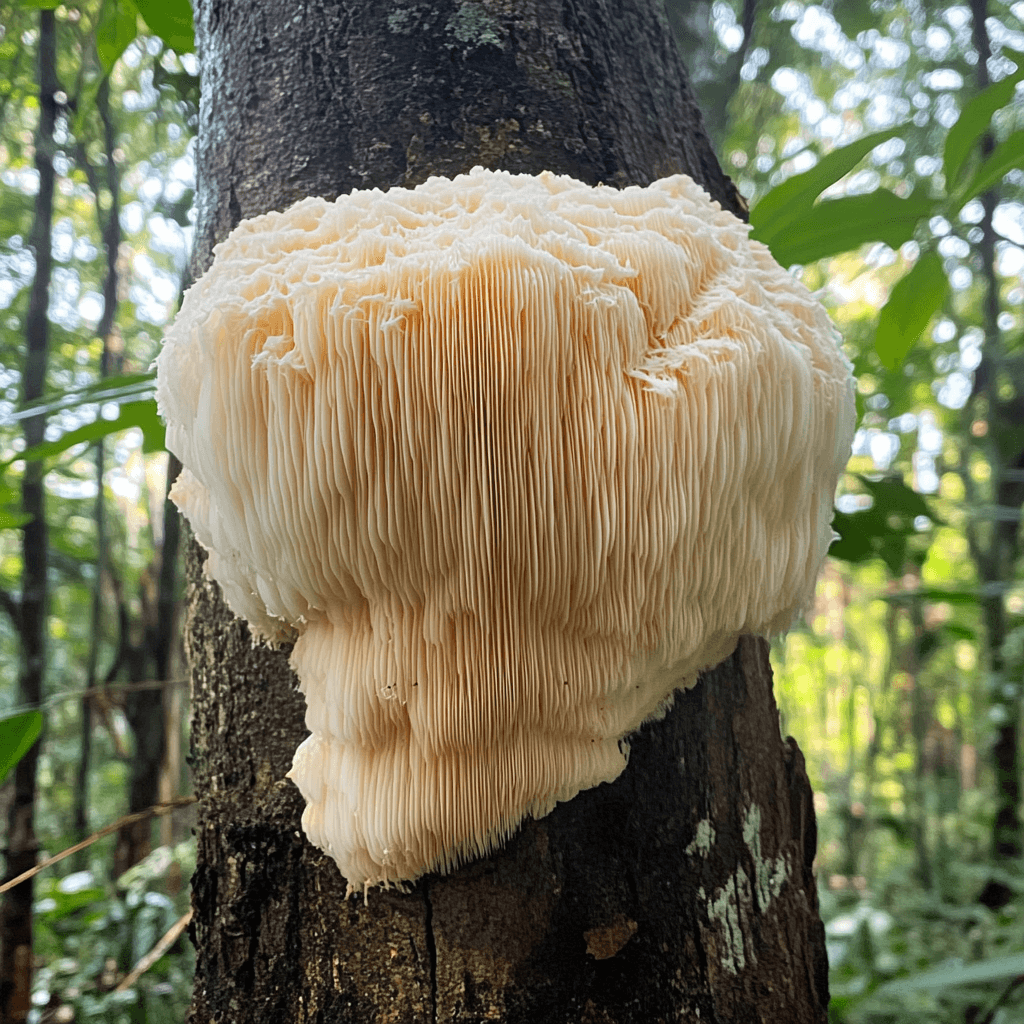
Lion's Mane (Hericium erinaceus) is a large, white, globe-shaped mushroom covered in long, cascading spines that resemble a lion's mane or a white waterfall. It grows wild on dead and dying hardwood trees (particularly oak and beech) across North America, Europe, and Asia. In Japan, it's called "Yamabushitake," named after the Yamabushi mountain monks who wore white, flowing garments that mirrored the mushroom's appearance. These monks reportedly consumed it before long periods of meditation. In China, it's known as "hou tou gu" (monkey head mushroom) and appears in texts dating back to the Han Dynasty. It contains two families of compounds unique to this species - hericenones (found in the fruiting body) and erinacines (found in the mycelium) - which have made it one of the most intensively studied functional mushrooms in modern research, with over 70 published studies indexed on PubMed. Lion's Mane is also a gourmet edible with a lobster-like texture and has been served in high-end restaurants for decades.
Why Ours
5:1 dual-extracted fruiting body. 5kg of raw mushroom concentrated into 1kg of extract. No mycelium. No grain fillers.
Per Serving in Thunder Honey: 1,000mg
Go Deeper
- Cleveland Clinic: Lion's Mane Benefits
- Healthline: Lion's Mane Overview
- Examine.com: Lion's Mane Research Summary
- Memorial Sloan Kettering: Lion's Mane
- Mori et al., 2008 (PubMed)
- Mori et al., Phytotherapy Research, 2009 (PubMed)
- Saitsu et al., Biomedical Research, 2019 (PubMed)
- Li et al., Frontiers in Aging Neuroscience, 2020
- Lion's Mane and Nerve Growth, 2023 (PubMed)
- Joe Rogan #1035 with Paul Stamets (Spotify)
L-theanine
What It Is
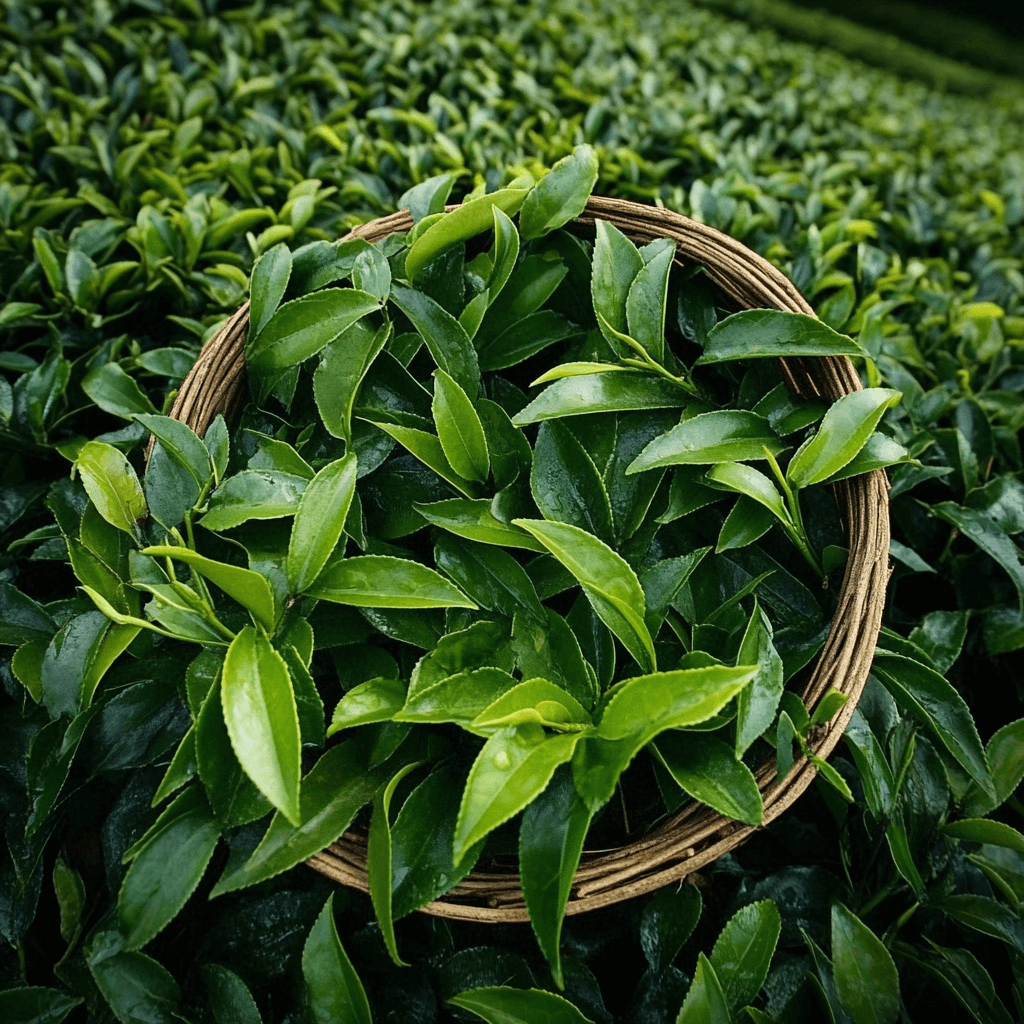
L-Theanine is a non-protein amino acid found almost exclusively in the tea plant (Camellia sinensis) and one rare mushroom species (Boletus badius). It was first isolated from green tea leaves by Japanese scientists in 1949 and accounts for roughly 1-2% of the dry weight of tea leaves. Japanese green tea - particularly shade-grown varieties like Gyokuro and Matcha - contains the highest natural concentrations of L-Theanine, because shading the plants from sunlight increases L-Theanine production. This is one reason Matcha has become a global phenomenon. Japanese tea ceremony culture has prized the unique quality of shade-grown tea for centuries, long before the compound itself was identified. L-Theanine is one of the most studied amino acids in nutrition science, with research published across neuroscience, pharmacology, and food science journals. It has been approved as a food ingredient in Japan since the 1960s and is classified as GRAS (Generally Recognized As Safe) by the FDA.
Why Ours
Naturally derived. Precision-dosed at 200mg.
Per Serving in Thunder Honey: 200mg
Go Deeper
- Cleveland Clinic: L-Theanine
- Healthline: L-Theanine Benefits
- Examine.com: Theanine Research Summary
- Sleep Foundation: L-Theanine and Sleep
- Harvard Health: Tea and Cognition
- Nobre et al., 2008 (PubMed)
- L-Theanine Systematic Review, Neurology and Therapy, 2021 (PubMed)
- L-Theanine Review, Neurology and Therapy, 2024 (PubMed)
- L-Theanine and Cognitive Function, Food & Function, 2024 (PubMed)
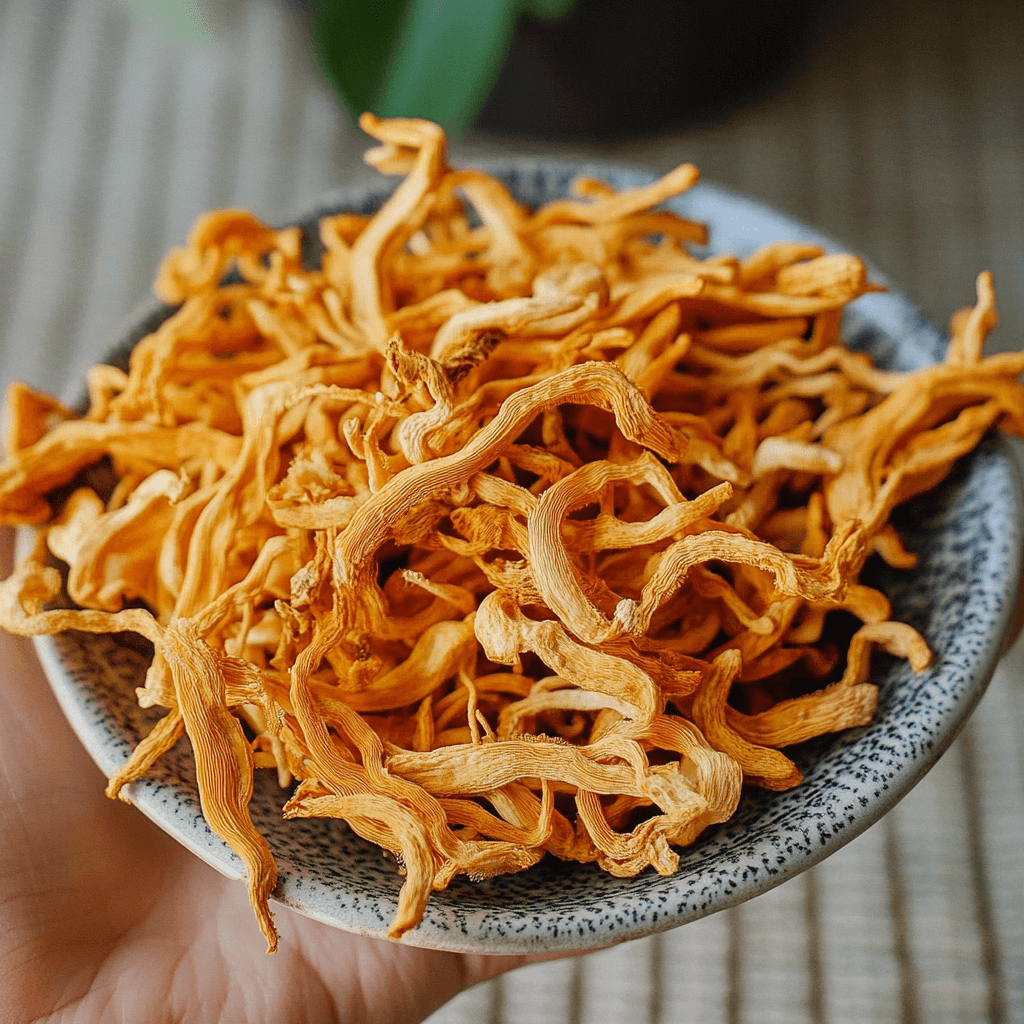
Cordyceps Mushroom (Cordyceps Sinensis)
What It Is
Cordyceps is one of the strangest organisms in nature. In the wild, Cordyceps sinensis is a parasitic fungus that infects caterpillar larvae high in the Tibetan Plateau (above 3,800m altitude), eventually consuming the host and sprouting a fruiting body from its head. The Tibetan name "yartsa gunbu" translates literally to "summer grass, winter worm." It was first documented by the Tibetan physician Zurkhar Namnyi Dorje in the 15th century. Wild Cordyceps is one of the most expensive biological substances on earth, trading at over $20,000 per kilogram in Asian markets. It gained global attention in 1993 when Chinese distance runners broke three world records at the National Games in Beijing, and their coach attributed their preparation partly to a Cordyceps regimen. Modern cultivation produces Cordyceps militaris with the same key compounds (particularly cordycepin) without the need for insect hosts, making it sustainable and accessible. Cordyceps is one of the most researched functional mushrooms, with studies published in journals spanning pharmacology, sports science, and mycology.
Why Ours
10:1 fruiting body extract. 10kg of raw mushroom concentrated into 1kg of extract. Ethically cultivated. No wild caterpillar harvesting.
Per Serving in Thunder Honey: 1,000mg
Go Deeper
- Cleveland Clinic: Cordyceps Benefits
- Healthline: Cordyceps Overview
- Examine.com: Cordyceps Research
- Chen et al., 2010 (PubMed)
- Hirsch et al., 2016 (PubMed)
- Savioli et al., Journal of Herbal Medicine, 2022
- Cordyceps and Exercise, Nature Scientific Reports, 2024
- Meta-Analysis: 14 RCTs, 528 Athletes, Frontiers in Nutrition, 2025
- Joe Rogan #2134 with Paul Stamets (Spotify)
NR (Nicotinamide Riboside)
What It Is
Nicotinamide Riboside is a form of vitamin B3 that was first identified in 1944 but largely ignored by science until 2004, when Dr. Charles Brenner at Dartmouth rediscovered its significance. That discovery launched an entirely new field of research. Since then, NR has been the subject of published studies in Nature, Nature Communications, Science Advances, Science, and Cell Metabolism, with clinical trials conducted at Harvard, the University of Copenhagen, the University of Helsinki, and Haukeland University Hospital in Norway, among others. NR is one of the most actively researched compounds in modern nutrition science. It is a source of niacin (vitamin B3).¹
Why Ours
Thunder Honey is the only functional mushroom cacao that includes NR at 300mg per serving. A source of niacin (vitamin B3).¹ Third-party tested by Eurofins.
Per Serving in Thunder Honey: 300mg
Go Deeper
- Harvard Gazette: Anti-Aging Research
- MIT Technology Review: The Anti-Aging Pill
- Trammell et al., Nature Communications, 2016 (PubMed)
- Martens et al., Nature Communications, 2018 (PubMed)
- Nikkanen et al., Science Advances, 2023 (PubMed)
- NR Clinical Trial, Nature Communications, 2023 (PubMed)
- Nanga et al., 2024 (PubMed)
- Huberman Lab with Dr. David Sinclair
- Joe Rogan #1670 with Dr. David Sinclair (Spotify)
- Peter Attia on NAD+ and Longevity
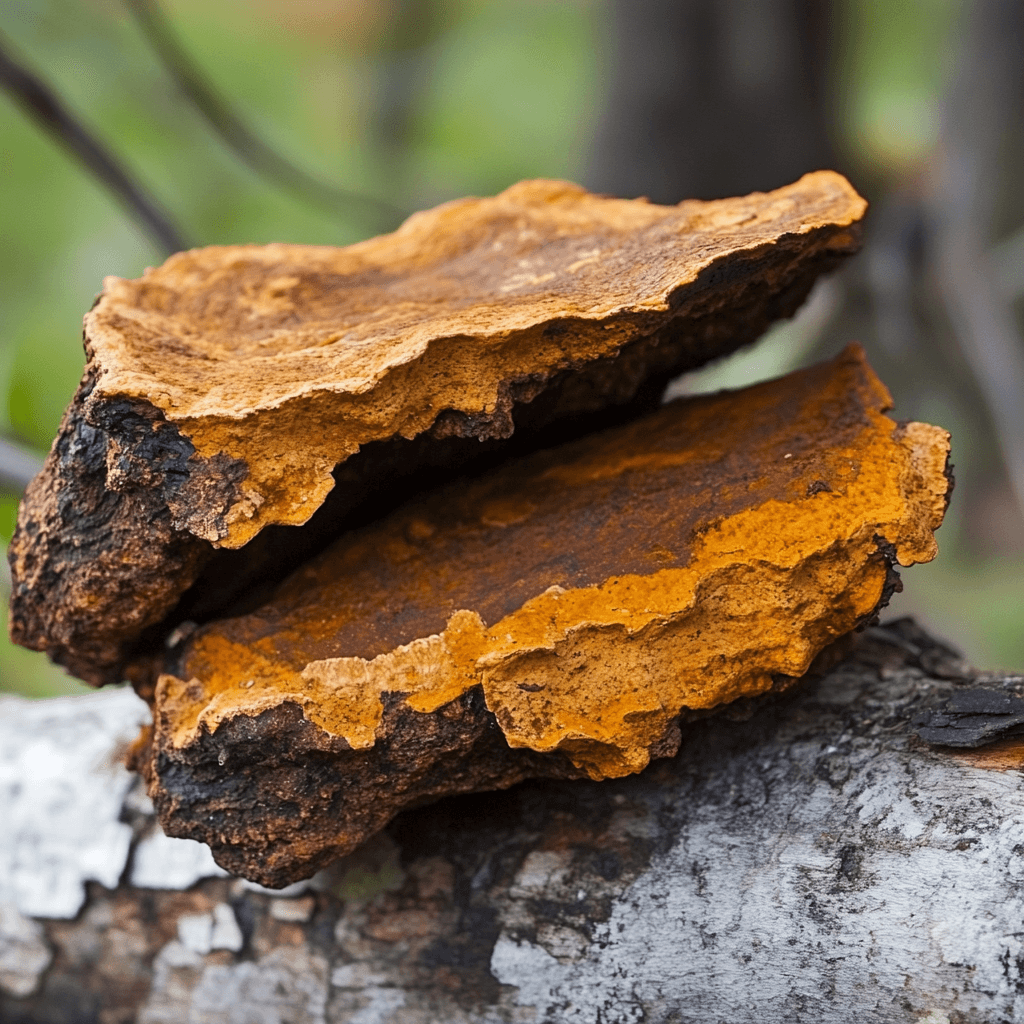
Chaga Mushroom (Inonotus Obliquus)
What It Is
Chaga (Inonotus obliquus) doesn't look like a mushroom at all. It appears as a large, dark, charcoal-like mass (called a sclerotium) protruding from birch trees in sub-zero climates across Siberia, northern Canada, Scandinavia, and the Baltics. It grows for 10-20 years on a single tree, slowly concentrating compounds from the birch bark, particularly betulin, which it converts into betulinic acid. The Khanty people of Western Siberia have used Chaga since at least the 12th century, brewing it as a daily tea. In Finnish, it's called "pakurikaaapa." Nobel Prize-winning author Aleksandr Solzhenitsyn referenced Chaga in his 1967 novel "Cancer Ward," describing its traditional use in Russian folk medicine. Chaga is one of the most studied functional mushrooms in the world, with research spanning decades across Russian, Finnish, Japanese, and American institutions.
Why Ours
5:1 dual-extracted. No grain fillers. Sourced from birch-grown Chaga for maximum betulinic acid content.
Per Serving in Thunder Honey: 1,000mg
Go Deeper
Collagen Peptides
What It Is
Collagen is the most abundant protein in the human body, making up roughly 30% of total protein mass. It is the primary structural protein in skin, bones, tendons, ligaments, cartilage, blood vessels, and the gut lining. The word comes from the Greek "kolla," meaning glue, because the ancient Greeks literally boiled animal hides to make adhesive. There are 28 known types of collagen, but Type I alone accounts for approximately 90% of the collagen in the human body. Peptan B is a branded bovine-sourced Type I collagen peptide, produced by Rousselot, a global leader in collagen science. The "hydrolyzed" designation means the collagen has been enzymatically broken down into small peptides (2,000-5,000 Daltons). Peptan is one of the most widely studied branded collagen ingredients in the world, with research published in peer-reviewed journals across dermatology, sports medicine, and nutrition.
Why Ours
Peptan B (bovine), a branded collagen peptide. Hydrolyzed for bioavailability.
Per Serving in Thunder Honey: 3,000mg
Go Deeper
- Harvard Health: Considering Collagen Supplements
- Cleveland Clinic: What Do Collagen Peptides Do?
- Healthline: Collagen Overview
- Examine.com: Collagen Research Summary
- Reilly et al., Dermatology Research and Practice, 2024 (PubMed)
- Asserin et al., Journal of Cosmetic Dermatology, 2015 (PubMed)
- Clark et al., 2008 (PubMed)
- Peptan Clinical Research: Skin Beauty and Hair Strength
- Huberman Lab: How to Improve Skin Health
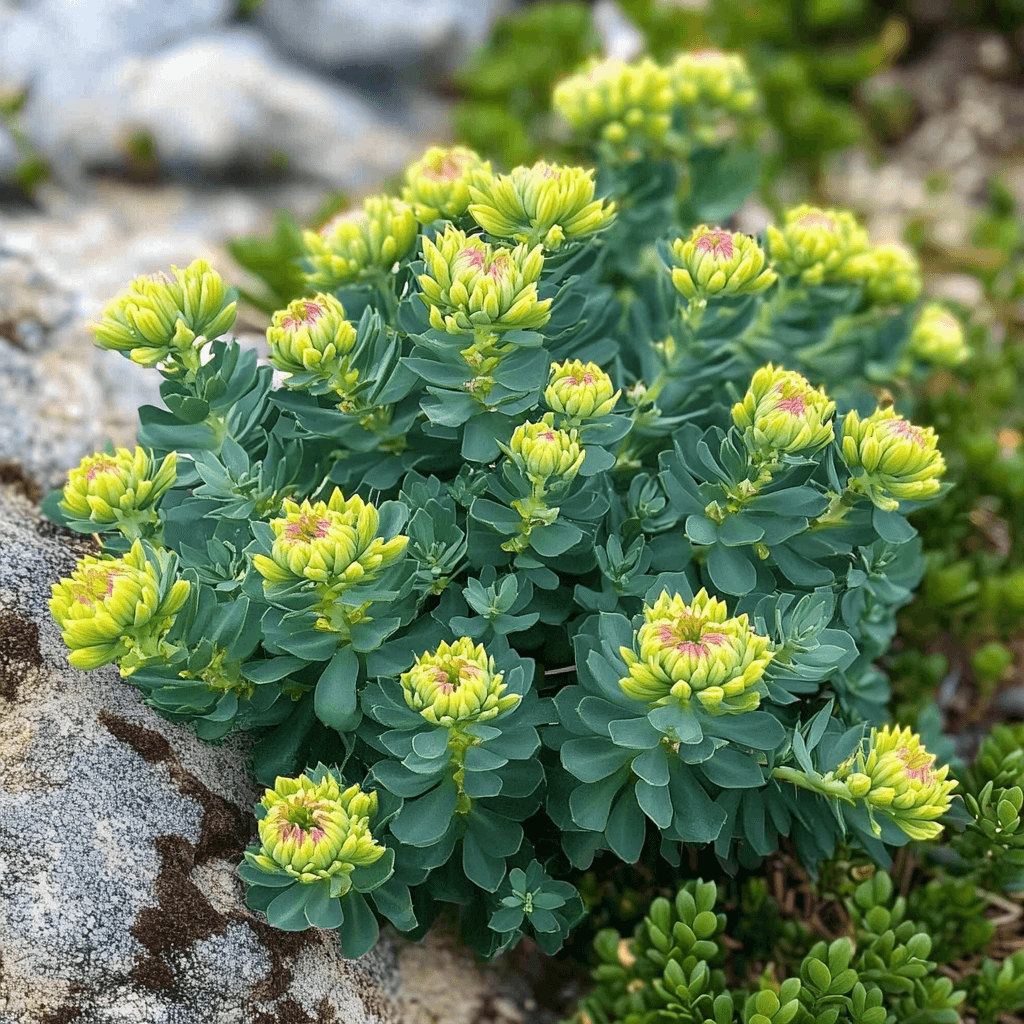
Rhodiola Rosea (Rosenrot)
What It Is
Rhodiola Rosea is an Arctic perennial that grows in some of the harshest environments on earth: rocky, high-altitude terrain above 3,000m in Scandinavia, Siberia, Iceland, and northern Canada, where temperatures regularly hit -40C. The Swedish name "rosenrot" (rose root) comes from the rose-like scent released when the root is cut. Viking raiders are believed to have consumed it before long voyages. Soviet scientists studied it extensively during the Cold War as part of classified research programs. Much of the early Soviet research was declassified in the 1990s, revealing over 180 published studies. In 2012, the European Medicines Agency (EMA) published an official herbal monograph on Rhodiola, one of the few herbs to receive this formal recognition. The active compounds (rosavins and salidroside) are found only in the root, and their concentrations are highest in plants growing at the most extreme altitudes, where the plant produces them as a survival response to environmental stress.
Rhodiola Rosea contributes to optimal mental and cognitive activity.²
Why Ours
5:1 extract. Standardized to 3% rosavins and 1% salidroside. Third-party tested by Eurofins.
Per Serving in Thunder Honey: 200mg
Go Deeper
- Cleveland Clinic: What Are Adaptogens?
- Healthline: Rhodiola Rosea
- EMA Herbal Monograph on Rhodiola Rosea
- Examine.com: Rhodiola Research Summary
- Harvard Magazine: Rhodiola and Memory
- Darbinyan et al., Phytomedicine, 2000 (PubMed)
- Shevtsov et al., Phytomedicine, 2003 (PubMed)
- Panossian & Wikman, BMC Complementary Medicine, 2012 (PubMed)
- Panossian et al., 2022 (PubMed)
MCT Oil
What It Is
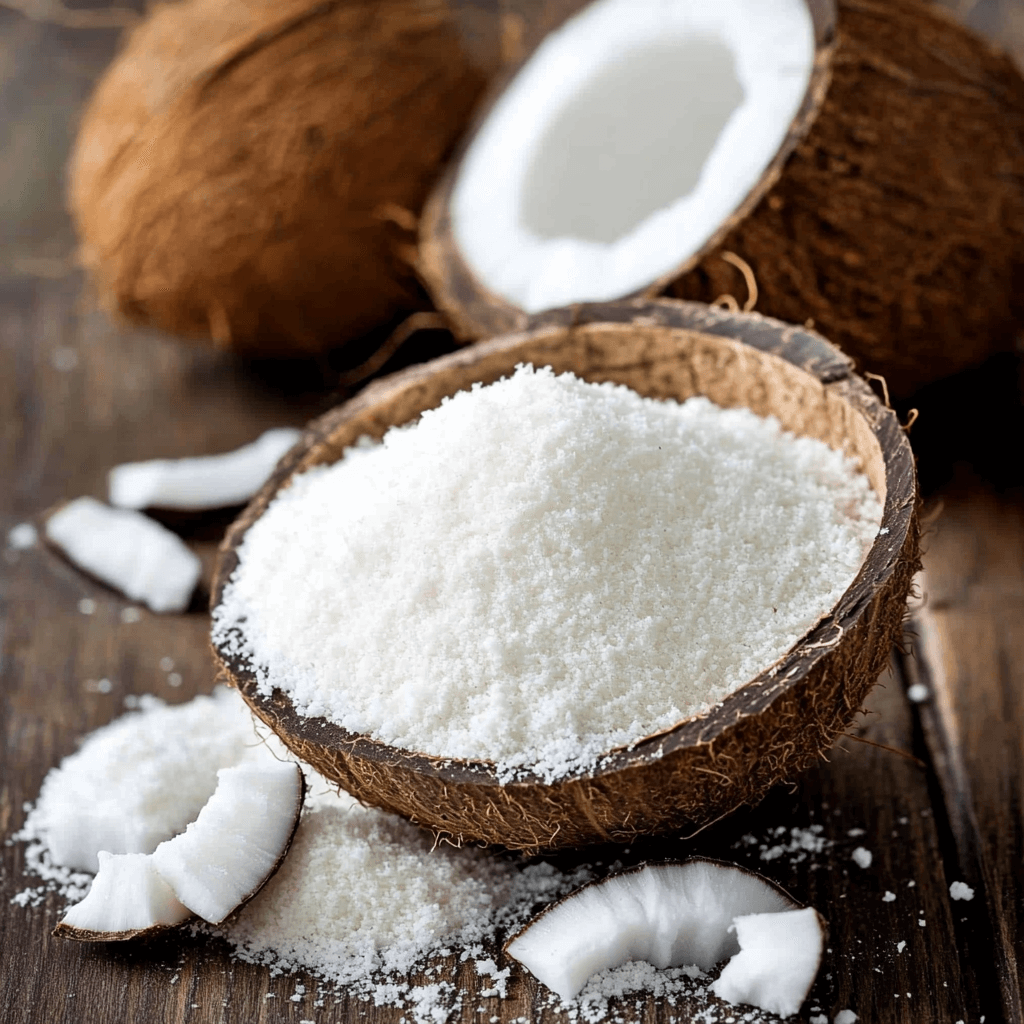
MCTs (Medium-Chain Triglycerides) are a class of saturated fatty acids with a chain length of 6-12 carbon atoms, found naturally in coconut oil (~55-65% MCTs), palm kernel oil, and in smaller amounts in dairy fat and human breast milk. MCTs gained widespread attention through the ketogenic diet and biohacking communities, popularized by figures like Dave Asprey (Bulletproof Coffee) and ketone researcher Dr. Dom D'Agostino. MCTs have been used in clinical nutrition since the 1950s, originally in hospital settings for patients requiring easily absorbed fat sources. They are one of the most studied dietary fats in nutrition science.
Why Ours
100% coconut-sourced. No palm oil. No fillers.
Per Serving in Thunder Honey: 1,000mg
Go Deeper
- Cleveland Clinic: MCT Oil Benefits
- Healthline: MCT Oil Overview
- WebMD: MCT Oil
- Westenhoefer et al., Physiology & Behavior, 2025 (PubMed)
- Juby et al., Alzheimer's & Dementia: Translational Research, 2022 (PubMed)
- Huberman Lab with Dr. Chris Palmer: Diet & Mental Health
- Joe Rogan with Dom D'Agostino on Ketones
Cacao
What It Is
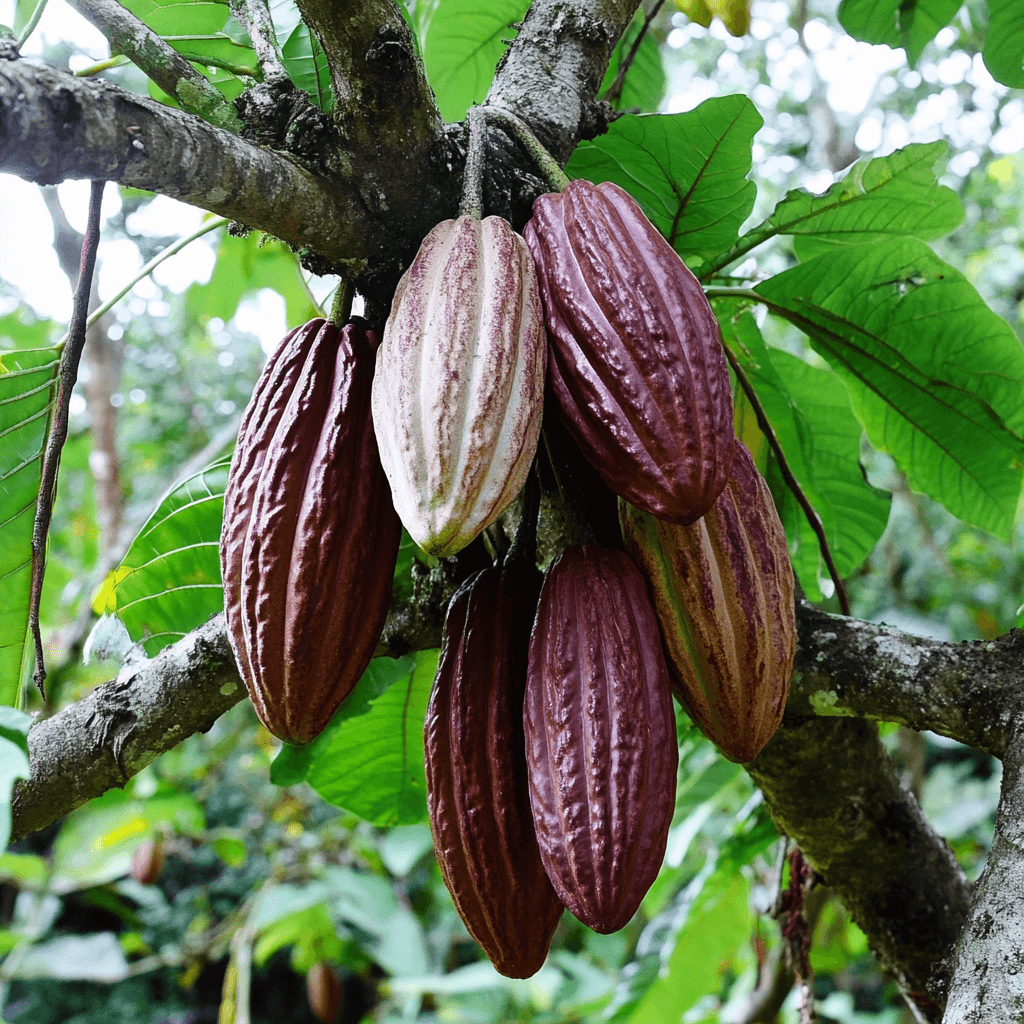
Cacao comes from the seeds of Theobroma cacao, a tree whose Latin name literally translates to "food of the gods." It is native to the Amazon basin and was domesticated at least 5,300 years ago, making it one of the oldest cultivated crops in the Americas. The Maya considered cacao sacred and used cacao beans as currency. Aztec emperor Montezuma reportedly drank 50 cups of a bitter cacao beverage daily, mixed with chili peppers and vanilla. Raw cacao is one of the most chemically complex foods in nature, containing over 700 identified compounds, including flavanols, theobromine, magnesium (one of the highest natural food sources per gram), iron, and zinc. Cacao has been the subject of extensive research in nutrition science, with studies published across cardiovascular, neuroscience, and food science journals.
Why Ours
Smooth, minimally-processed cacao. Rich flavor. The foundation of Thunder Honey's taste.
Per Serving in Thunder Honey: 4,000mg
Go Deeper
Bee Propolis
What It Is
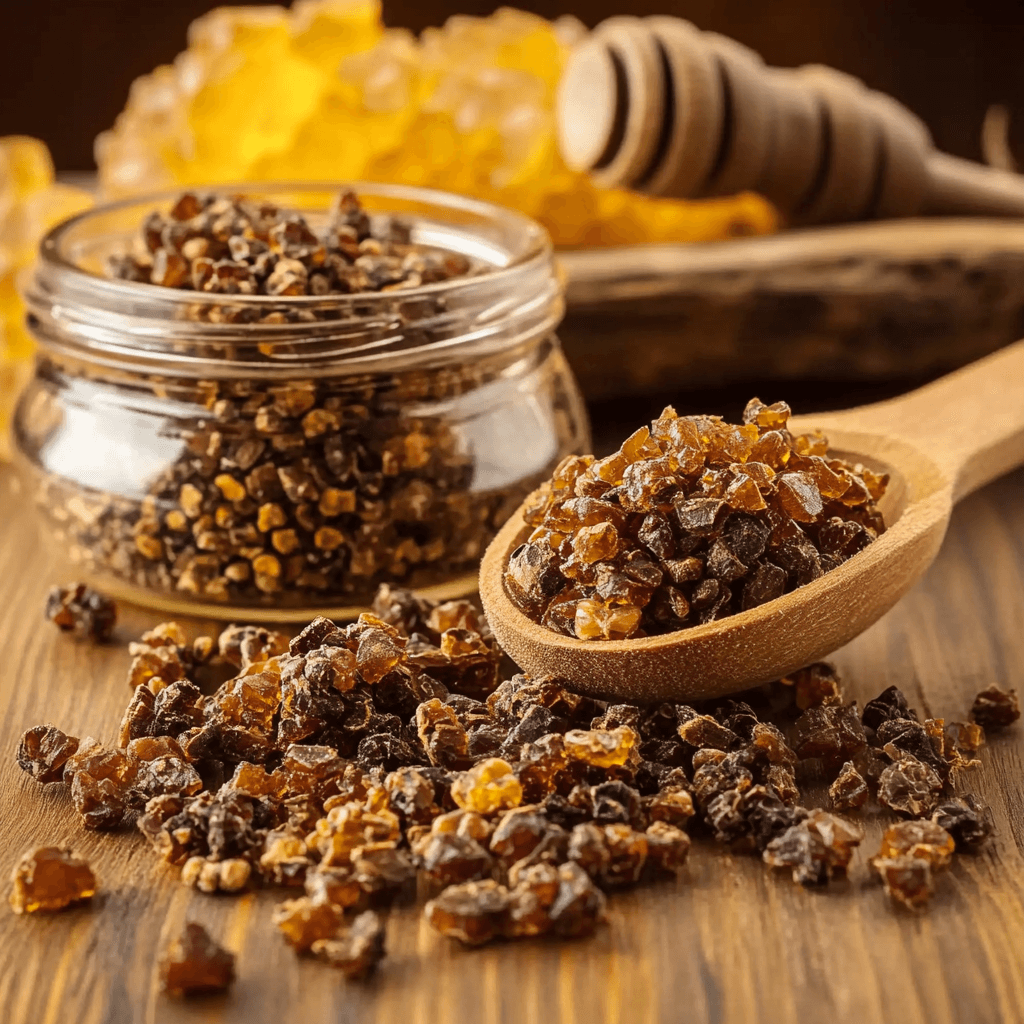
Bee Propolis is a complex resinous substance that honeybees produce by collecting plant resins from tree buds and bark, then mixing them with beeswax, pollen, and their own enzymes. The word "propolis" comes from the Greek "pro" (before) and "polis" (city), because bees use it to seal and defend the entrance to the hive. Inside the hive, propolis serves as a sterile barrier: bees coat the interior walls with it to create one of the most hygienic environments in nature. When a mouse or lizard enters and dies inside the hive, bees mummify the carcass in propolis to prevent decomposition. Ancient Egyptians observed this and used propolis in their own mummification processes. Hippocrates reportedly prescribed it around 400 BC. Over 300 distinct bioactive compounds have been identified in propolis, including flavonoids, phenolic acids, terpenes, and amino acids. The exact composition varies by geography and plant source: European propolis is typically rich in flavonoids from poplar trees, while Brazilian green propolis contains compounds from Baccharis dracunculifolia.
Why Ours
Tested for purity. Free from contaminants. Standardized for polyphenol content.
Per Serving in Thunder Honey: 50mg
Go Deeper
CDP-Choline
What It Is
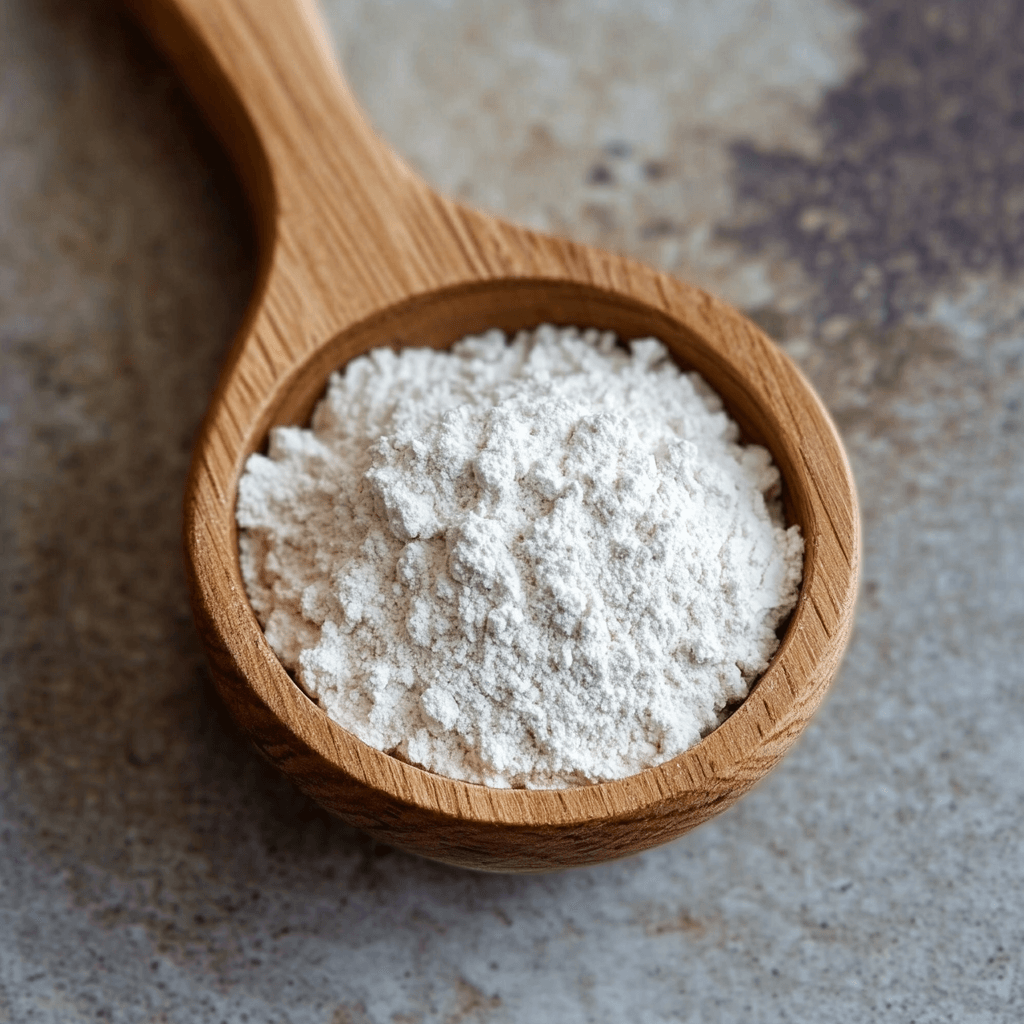
CDP-Choline is a compound that naturally occurs in every cell in the human body. Choline itself was only officially recognized as an essential nutrient in 1998 by the Institute of Medicine, and the European Food Safety Authority has since confirmed its essential status. Despite this, an estimated 90% of the population doesn't meet the adequate intake level. CDP-Choline was originally developed in Japan in the 1960s and is prescribed as a pharmaceutical in several European countries. In the US and EU supplement markets, it is one of the most widely used compounds in cognitive-focused formulations.
Why Ours
Bioavailable CDP-Choline form. Precision-dosed at 250mg.
Per Serving in Thunder Honey: 250mg
Go Deeper
Stevia (Stevia Rebaudiana)
What It Is
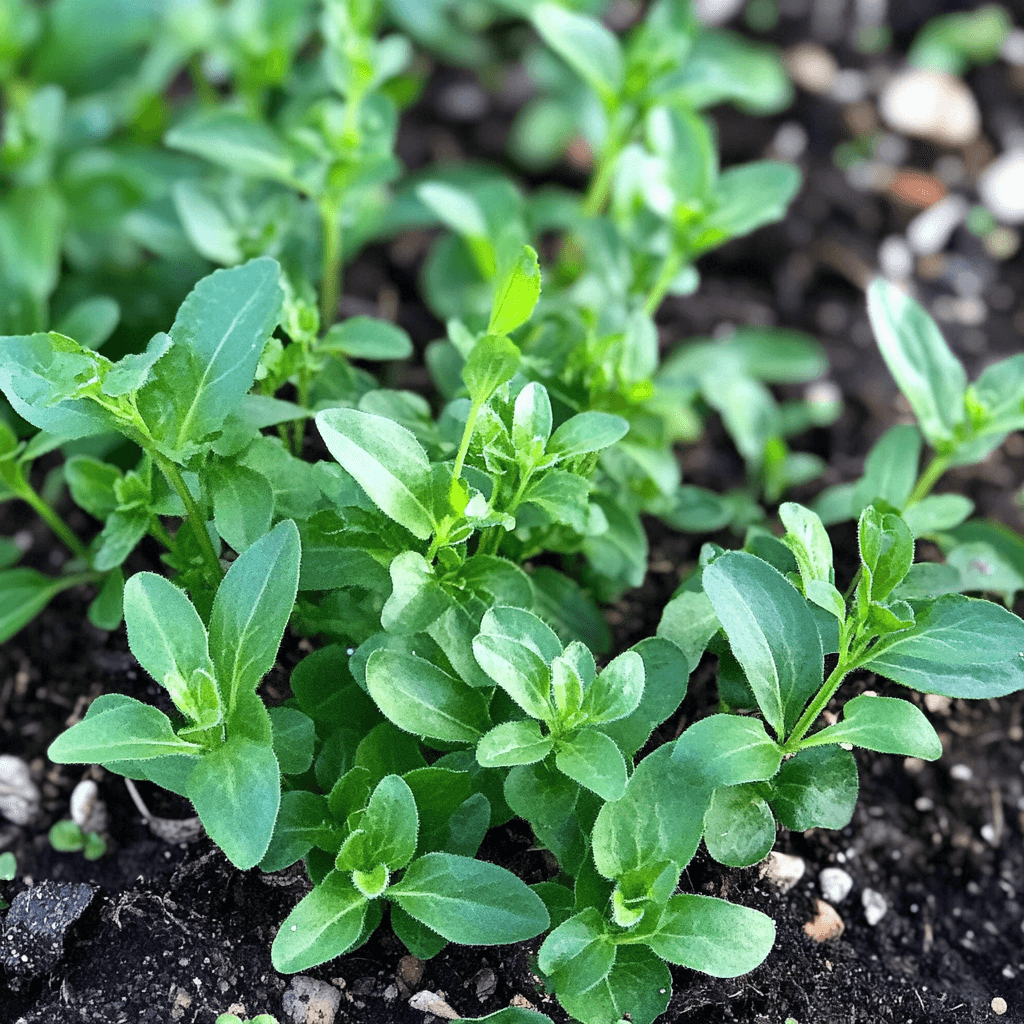
Stevia is a natural, zero-calorie sweetener extracted from the leaves of Stevia rebaudiana, a small shrub native to Paraguay and Brazil. The Guarani people of Paraguay have used stevia leaves to sweeten yerba mate tea for over 1,500 years, calling it "ka'a he'e" (sweet herb). The active compounds, steviol glycosides (primarily stevioside and rebaudioside A), are 200-350x sweeter than sugar by weight, which is why only trace amounts are needed. Stevia was approved as a food additive by the EU in 2011 (E 960) after an extensive EFSA safety review. Unlike artificial sweeteners such as aspartame or sucralose, stevia is plant-derived and undergoes minimal processing.
Why We Use It
A trace amount (20mg) for a touch of natural sweetness. No sugar. No artificial sweeteners. No aftertaste.
Per serving in Thunder Honey: 20mg
This page describes each ingredient's origin, history, and sourcing for informational purposes only. These are not claims about Thunder Honey as a product.